Thursday, 4 April 2019

'Right to Life implies Right to a Clean Environment'

'Right to Life implies Right to a Clean Environment'

Justice Kumar asserted that climate change is not an abstract concept but a direct consequence of human activity on earth.


New Delhi:  Emphasizng the need for inexpensive and expeditious environmental justice to mitigate the effects of climate change, Justice Swatanter Kumar, Former Chairperson of the National Green Tribunal also called for proper environmental impact assessments to address issues relating to climate change.

He was addressing a Conference on `Adapting Environmental Laws for Effective Climate Response' organised by the O.P Jindal Global University (JGU) in association with WWF India here.

Justice Kumar asserted that climate change is not an abstract concept but a direct consequence of human activity on earth. He expressed serious concern over receding of glaciers, deforestation, toxic waste arising out of ship-breaking and non-implementation of existing laws.

Quoting Mahatma Gandhi, Justice Kumar emphasised that we need to hand over the Earth to the next generation in a better state of health. Drawing a parallel between environment and time, he stressed the need for urgent action.

Referring to the enormous growth in the urban waste in Delhi from 400 to 600 tonnes in the late 1990s to the present 1,700 tonnes per day, Justice Kumar observed that proper collection, segregation and treatment are required. He expressed serious concern over the fact that 40 per cent of this waste is not collected properly.

Justice Swantantra Kumar also stressed the need for sensitisation of judges, bureaucracy and social awareness at all levels. Referring to the increase in temperature on the agriculture sector in India on which over 70 per cent of India's population depends, he underscored the need for coordinated efforts. He also emphasised the need for alternate sources of energy.

JGU Founding Vice Chancellor Prof (Dr) C Raj Kumar, underlining the importance of law and its role in fighting climate change said: "The theme of this conference is important for the future of humankind. In many ways, we are facing an existential threat and this threat requires a collective response of humanity, and law as a social institution has always risen up to the occasion in the past."

"The hope is that understanding the need for addressing issues surrounding climate through law is a very important way by which we can build capacities to respond to huge crisis that is impending," he added.

Providing the global perspective, Justice Michael D. Wilson, a Judge of the Supreme Court of Hawaii, in his keynote address, cited the example of the climate refugees to explain how the issue of environment protection is still awaiting solution.

"One hundred and sixty million Bangladeshis have become climate refugees and had to evacuate their own home-ground. Schools stay shut in Delhi in times of extreme pollution. Tigers face threats of deforestation and climate changes too. These are few examples of the situation. To change it, carbon neutrality, energy conservation and environment protection need to be mandated," he said.

Justice Sabrina McKenna, a Judge of Supreme Court of Hawaii, too brought up case studies to explain the alarming scenario. But she sounded hopeful, saying: "Green tribunals have been a milestone in environmental justice. People can now sue for a clean and happy environment. When people are aware, active and act together and laws are there too, combating climate changes will be easier."

IANS

Congress to scrap sedition law, amend AFSPA, appoint NJC

Congress to scrap sedition law, amend AFSPA, appoint NJC

The party said that laws have proliferated restricting freedoms, innovation, enterprise, experimentation and economic growth has suffered..


New Delhi:  The Congress on Tuesday made significant promises pertaining to law and judiciary, including scrapping the sedition law, making defamation a civil offence, establishing National Judicial Commission (NJC) to select judges, pass a new law to prevent torture, amend AFSPA to remove certain immunities and change law that allows detention without trial.

In its manifesto 'Congress will deliver' released here about 10 days ahead of the first phase of Lok Sabha elections, the party promised to introduce a bill to amend the Constitution to establish a court of appeal between high courts and the Supreme Court to hear appeals from judgments and orders of high courts.

The Court of Appeal will sit in multiple benches of three judges each in six locations.

The manifesto said that Congress will introduce a Bill to amend the Constitution "to make the Supreme Court a Constitutional Court" that will hear and decide cases involving the interpretation of the Constitution and other cases of legal significance or national importance.

It said that learned, independent and upright judges are the core of the judiciary. "Congress promises to establish a National Judicial Commission (NJC) that will be responsible for selection of judges for appointment to the high courts and the Supreme Court."

The party said NJC will have judges, jurists and parliamentarians and will be serviced by a secretariat. Suitable candidates will be placed in the public domain and the reasons for selection will be published to ensure that the entire process is transparent. "Once the new system is in place, we will endeavour to fill every vacancy in the high courts or Supreme Court within two months," the manifesto said.

The party promised to establish, by law, an independent Judicial Complaints Commission to investigate complaints of misconduct against judges and recommend suitable action to Parliament.

At the administrative level, Congress promised to immediately release all remand and under trial prisoners facing charges punishable with imprisonment of three years or less who have spent three months in prison and release immediately all remand and under trial prisoners facing charges punishable with imprisonment of 3 to 7 years who have spent 6 months in prison.

Stating that India is a "over-legislated and over-regulated" country, the party promised to initiate a comprehensive review of all laws, rules and regulations to repeal instruments that are outdated or unjust or unreasonably restrict the freedoms of the people.

"Specifically, Congress promises to decriminalise laws that are essentially laws directed against civil violations and can be subjected to civil penalties, omit Section 499 of the Indian Penal Code and make 'defamation' a civil offence, omit Section 124A of the Indian Penal Code (that defines the offence of �sedition') that has been misused and, in any event, has become redundant because of subsequent laws,"the manifesto said.

It promised to amend the laws that allow for detention without trial in order to bring them in accord with the spirit of the Constitution.

The party said it will pass a law titled `Prevention of Torture Act' to prohibit use of third-degree methods during custody or interrogation and punish cases of torture, brutality or other police excesses.

It promised to amend the Armed Forces (Special Powers) Act, 1958 "to strike a balance between the powers of security forces and the human rights of citizens and to remove immunity for enforced disappearance, sexual violence and torture".

The party promised to amend the laws to declare that every investigation agency that has the power to search, seize, attach, summon, interrogate and arrest will be subject to the restrictions imposed on the police by the Constitution, the Code of Criminal Procedure and the Indian Evidence Act.

It promised to amend the Code of Criminal Procedure and related laws to affirm the principle that �Bail is the rule and jail is the exception.

The party promised to institute comprehensive prison reforms recognising the principle that prisons are institutions of correction.

The party promised to fix the retirement age of judges of High Courts and the Supreme Court as also the retirement age for judicial members in commissions and tribunals shall also be 65 years.

"This will prevent post-retirement assignments for serving judges and allow more opportunities for qualified persons to serve as judges or judicial members," the party said.

The party said that independence and integrity of the judiciary will be maintained and protected at all costs.

The party promised enhance representation of women, SC, ST, OBC, minorities and other under-represented sections in judiciary.

It promised to encourage technology and expedite the hearing and decisions on case.

The party said that laws must be just and reasonable.

"Congress believes that we are an over-legislated and over-regulated country," it said.

The party said that laws have proliferated restricting freedoms, innovation, enterprise, experimentation and economic growth has suffered.

IANS

India's secular nature 'will die forever' if BJP wins poll

India's secular nature 'will die forever' if BJP wins poll

Religious tolerance may be washed away by a tidal wave of hate if Modi's party cements grip on power in April election.


File photo.
New Delhi:  Fears of India evolving into a Hindu theocratic nation loom large as the pro-Hindu Bharatiya Janata Party (BJP) seeks a second term by placating Hindu sentiment ahead of the April-May parliamentary election.

Secular and liberal political groups say the poll will be be crucial in forging the future identity of the country, which defined itself as a secular-democratic nation after British rule ended in 1947.

"Hindu pride is the platform on which voters are being courted, which is a big concern," said Alok Verma, a rights activist in the northern state of Jammu and Kashmir.

The April 11 to May 19 elections will see 900 million eligible voters select 543 parliamentarians. The party with the most seats will govern the country for the next five years.

The BJP, in office since 2014, again finds itself pitted against the Congress party, its nemesis. But critics like Verma worry it is stoking religious intolerance and hate as a ploy to win over more Hindus.

They say the party's track record suggests it has underperformed, but few people are discussing how unemployment has spiraled under its watch, or how the agrarian crisis continues to worsen, with debt-ridden farmers reportedly committing suicide at a rate of one every three hours on average.

"Unfortunately, such issues are not being [widely] discussed," Verma said.

The BJP came to power promising more jobs and increased development for impoverished Indians with the slogan "Good days are ahead."

"But five years down the line, anyone who questions the BJP's failed promises is labeled 'anti-national' and 'pro-Muslim'. This is disgraceful," said Sheetal Nanda, a women's rights activist in New Delhi.

Never before has the call from political parties to make India a Hindu nation been so strong, she said.

"If the BJP wins again, it will pursue a mandate to amend the constitution, make non-Hindus second-class citizens, and declare the country a Hindu heartland," Nanda said.

New Delhi-based journalist and author Ashutosh Gupta said the BJP not only wants to change the charter and laws, but transform an entire civilization by establishing an upper-caste Hindu hegemony.

The party argues that, "Hindus were subjugated by Muslims and Christians for 1,200 years because Hindus were at that time non-violent and compassionate," Ashutosh said.

"They have pitched for the adoption of violent methods to make the dream of a Hindu heartland a reality," he added.

Hindu-centric ideology

Critics say the violence meted out against Christians and Muslims over the past five years proves that Hindu groups have been laying the tracks to make India subordinate to a Hindu-centric ideology.

Government data shows communal violence jumped 28 percent between 2014 and 2017 with around 3,000 incidents recorded during that period, claiming almost 400 lives and injuring 9,000 people.

Moreover, 90 percent of the religious hate crimes recorded over the last decade occurred since current Prime Minister Narendra Modi led the BJP to power, according to the data assembled by Hate Crime Watch.

Hate crimes against minority groups are also believed to be rising as the election draws near.

Saheem Mir, an author and activist in Uttar Pradesh, cited the case of a Muslim father and son who were stopped on a road and attacked in this northern state on March 17.

"They were asked to chant slogans hailing Hindu gods and were forced to verbally abuse [Muslim-majority] Pakistan," he said. "These elements are taking such extreme measures because they know no one is going to act against them."

Hindu activists project Indian Muslims as supporters of Pakistan, India's nuclear-armed neighbor and arch rival.

Others say that anyone who calls for enhanced dialogue to end India's outstanding disputes with Pakistan is branded a traitor.

Even cheering for Pakistan during a cricket match or expressing admiration for a Pakistani singer in a Bollywood movie puts people at risk of being tarred with a similar brush and denounced as "anti-national," rights activists say.

In fact, India's secular character will be permanently laid to rest if the BJP retains its grip on power, according to a recent paper by two research scholars who specialize in political science at the University of Kashmir.
"With the BJP government at the center, the secular tradition of India is under immense threat. If the threat isn't quelled at various levels, the idea of unity in diversity — one that the nation has always prided itself on — will soon be in tatters," according to the co-authors of the paper, Anayat Ul Lah Mugloo and Manzoor Ahmad Padder.

"If communal forces are not halted, India — regarded as the largest democracy in the world — will fall prey to what Joseph Schumpeter called 'creative destruction', which roughly entails the dismantling of age-old traditions by new ideologies — except that there would be nothing creative in the destruction of the inclusive idea of India."

Bishop Theodore Mascarenhas, secretary-general of the Catholic Bishops Conference in India (CBCI), told ucanews.com that people should vote for candidates and parties who respect the constitution, treat all citizens as equals, and protect minorities.

"Communities cannot live in hatred of one another. The danger of sowing hatred is that once it's sown, it gets out of control and nobody can tame it," he said.

"That's why it's so important the people who govern us shouldn't stay quiet when they witness such acts," he added.

According to the 2011 census, 80 percent or 960 million of India's 1.2 billion people are Hindus. Muslims make up 14.2 percent of the population (170 million) followed by Christians with 2.3 percent (28 million).

Source: UCAN

Pope's UAE trip inspires India's religions to plot peace

Pope's UAE trip inspires India's religions to plot peace

Christian, Muslim hierarchy take lessons from pontiff's 'Human Fraternity' document.

 
Christian and Muslim leaders pose for a photograph in New Delhi in March after discussing a document released during Pope Francis’ historic visit to the United Arab Emirates in early February. (Photo by Rita Joseph/ucanews.com)
By Rita Joseph
New Delhi:  Muslims and Christians in India are working to popularize a document on human fraternity released during Pope Francis' historic visit to the United Arab Emirates in February.

The "Document on Human Fraternity for World Peace and Living Together" focuses on religious tolerance, cross-faith dialogue and world peace, and it transcends all faiths, Delhi Minority Commission chair Zafarul-Islam Khan said at a conference in the Indian capital on March 29.

"It talks about brotherhood, love, peace, women's and children's rights, and the futility of war and terrorism. [It contains] words of wisdom from the highest level," he said. However, "very few people know about it, so we want to give it more publicity."

The Jesuit-run Islamic Studies Association joined New Delhi's Minorities Commission in consulting on the paper penned by Vatican and Muslim scholars.

The Jesuit organization works to build Christian-Muslim relations in South Asia, while the state commissions are tasked with caring for the interests of these and other religious minorities.

Pope Francis and Ahmed el-Tayeb, the grand imam of Al-Azhar, signed the document at an interfaith meeting in Abu Dhabi on Feb. 4 which was also attended by 500 religious leaders, scholars and diplomats.

Akhtarul Wasey, an Islamic scholar and vice chancellor of Maulana Azad University in Jodhpur, said it has come at a time when people are talking about a "clash of civilizations."

But the paper "negates such thinking and pronounces something positive," he said.

The Islamic scholar said that despite theological disagreements, Christians and Muslims have much in common.

"Religious and theological differences are not inter-religious but intra-religious and a reflection of internal democracy. This should not be construed as a weakness," Wasey said.

"If religious pluralism exists, then it is God's will. Our work is to propagate the truth. Prophets were sent to communicate, not convert."

Father Poulose Mangai from the Jesuit-run Vidyajyoti College of Theology in Delhi said the Catholic Church only started opening up to other religions after the Second Vatican Council.

Pope Francis' visit to Gulf, the first of its kind by any pope, also coincided with the 800th anniversary of another historic meeting between St. Francis of Assisi and Sultan al-Malik al Kamil of Egypt.

That is credited with paving the way for improved Muslim-Christian relations despite the bitter memories of the Crusades.

"The world's religions should serve as warnings to humanity to act against injustice and never be resigned to the tragedies of the world," Wasey said.

A minute's silence was observed before the start of the conference in memory of those slain in the twin terror attack on mosques in Christchurch, New Zealand, on March 15.

"There is no alternative. We either build the future together or there will be no future," Father Mangai, editor of the Vidyajyoti Journal of Theological Reflections, quoted Pope Francis as saying.

Jesuit Father Victor Edwin said the pontiff had lit the way by communicating so openly with other religions.

"This document gives us an alternative vision, a vision that looks to peace and reconciliation, which is deeply rooted in religion, deeply rooted in humanity," said the Jesuit, who has run the Islamic Studies Association since 1979.

He warned that "unauthentic, politicized religions" were spreading hatred and violence.

Basit Jamal, who popularizes Islamic values via parables told at schools, said the Quran exhorts Muslims to pursue good relations with those who do not fight or persecute Muslims.

Khurshid Khan of Delhi University said the document considers everyone to be equal, with no one granted majority or minority status. She said respect and love for all religions should begin at home.

Source: UCAN

Tuesday, 2 April 2019

எருசலேம் நகரம் மும்மதங்களுக்குப் பொதுவான நகரம்

எருசலேம் நகரம் மும்மதங்களுக்குப் பொதுவான நகரம்

 எருசலேம் நகரைக் குறித்த விண்ணப்பத்தில் திருத்தந்தையும் மன்னர் 6ம் முகம்மதும் கையெழுத்திடுதல்

மன்னர் 6ம் முகம்மது அவர்களும், திருத்தந்தை பிரான்சிஸ் அவர்களும், இணைந்து, எருசலேம் நகரைக் குறித்த ஓர் அறிக்கையை விண்ணப்பமாக வெளியிட்டனர்.
கிறிஸ்டோபர் பிரான்சிஸ் - வத்திக்கான் செய்திகள்
மன்னரின் மாளிகைக்குள் திருத்தந்தை நுழைந்ததும், அவருக்கு, அரச மெய்க்காப்பாளர் படை, அணிவகுப்பு மரியாதை செலுத்தியது. இதைத்  தொடர்ந்து, அரச குடும்பத்தினர், திருத்தந்தைக்கு அறிமுகம் செய்து வைக்கப்பட்டனர். திருத்தந்தையும், மன்னரும் ஒருவருக்கொருவர் நினைவுப் பரிசுகளைப் பகிர்ந்துகொண்ட பின்னர், இருவருக்கும் இடையே, தனி அறையில் சந்திப்பு நிகழ்ந்தது. இச்சந்திப்பில், ஒரு முக்கிய நிகழ்வு இடம்பெற்றது. ஆம், மன்னர் 6ம் முகம்மது அவர்களும், திருத்தந்தை பிரான்சிஸ் அவர்களும், இணைந்து, எருசலேம் நகரைக் குறித்த ஓர் அறிக்கையை விண்ணப்பமாக வெளியிட்டனர்.
"எருசலேம் நகரின் தனித்துவம், அதன் ஆன்மீக முக்கியத்துவம், அமைதியின் நகரம் என்ற அதன் தனித்துவமான அடையாளம் போன்றவற்றை மனதில் கொண்டு, அந்நகரைக் குறித்து இந்த விண்ணப்பத்தை வெளியிடுகிறோம். மனித குலத்தின், குறிப்பாக, கடவுள் ஒருவர்தான் என்ற மத நம்பிக்கை கொண்ட மும்மதங்களின் பாரம்பரியக் கருவூலமாக விளங்கும் இந்நகர், கருத்துப் பரிமாற்றம், மற்றும், அமைதி உடன் வாழ்வு ஆகியவற்றின் இடமாக விளங்கி, ஒருவருக்கொருவர் மதிப்பையும், உரையாடலையும் வளர்க்கும் தலமாக தொடரவேண்டும் என்று ஆவல் கொள்கிறோம். இதன் காரணமாக, இந்நகரின் பல்சமயப் பண்பும், ஆன்மீகப் பரிமாணமும், கலாச்சாரத் தனித்துவமும் பாதுகாக்கப்பட்டு, ஊக்குவிக்கப்படவேண்டும். கடவுள் ஒருவர்தான் என்ற மத நம்பிக்கை கொண்ட மும்மதங்களைப் பின்பற்றுவோரும் எருசலேம் வழிபாட்டுத் தலங்களை தரிசித்து, உலகில் அமைதியும், உடன்பிறந்த உணர்வும் நிலவ, இறைவனை நோக்கி செபங்களை எழுப்பும் சுதந்திரம் உறுதி செய்யப்படும் என்று நம்புகிறோம்" என்ற சொற்கள் அடங்கிய இந்த விண்ணப்பத்தில், மொராக்கோவின் மன்னர் 6ம் முகம்மது அவர்களும், திருத்தந்தை பிரான்சிஸ் அவர்களும் இணைந்து கையெழுத்திட்டு, வெளியிட்டனர்.

மதச்சார்பற்ற இந்திய அரசியல் அமைப்பு ஆதரிக்கப்பட...

மதச்சார்பற்ற இந்திய அரசியல் அமைப்பு ஆதரிக்கப்பட... தேர்தல் விழிப்புணர்வு பிரச்சாரம்

நாட்டின் வளர்ச்சிக்கும் ஒன்றிப்புக்கும் குரல் கொடுக்கும் வேட்பாளர்களுக்கு வாக்களிப்பதுடன், மத தீவிரவாதப் போக்கை எதிர்க்குமாறும் இந்தியக் கத்தோலிக்கர்களிடம் ஆயர்கள் விண்ணப்பித்துள்ளனர்
கிறிஸ்டோபர் பிரான்சிஸ் - வத்திக்கான் செய்திகள்
ஜனநாயகத்தையும், மதச்சார்பற்ற அரசையும் ஆதரிக்கும் வேட்பாளர்களுக்கு வாக்களிக்குமாறும், போலியான தேசியவாதத்தை ஒதுக்கித்தள்ளுமாறும் அழைப்பு விடுத்துள்ளன, இந்தியாவின் இரு மாநில ஆயர்களின் அறிக்கைகள்.
தேர்தல் பற்றிய தலத் திருஅவையின் நிலைப்பாட்டைக் குறித்து இந்திய மக்களுக்கு, பொதுவான ஓர் அறிக்கையை, அண்மையில், கர்தினால் ஆஸ்வால்டு கிரேசியஸ் அவர்கள் வெளியிட்டபின், தற்போது, கேரள ஆயர்கள், தங்கள் மாநில கத்தோலிக்கர்களுக்கென வெளியிட்டுள்ள அறிக்கையில், மதச்சார்பற்ற இந்திய அரசியல் அமைப்பை ஆதரிக்கும் வேட்பாளர்களுக்கே வாக்களிக்குமாறு விண்ணப்பித்துள்ளனர்.
வரும் ஞாயிறன்று அனைத்துக் கத்தோலிக்கக் கோவில்களிலும் வாசிக்கப்படவுள்ள இந்த மேய்ப்புப்பணி சுற்றறிக்கை,  வாக்களிப்பது குறித்த வழிமுறைகளை எடுத்துரைத்துள்ளதுடன், எந்த ஒரு தனிப்பட்ட அரசியல் கட்சிக்கும், அரசியல் கொள்கைக்கும்  கேரளத் தலத்திருஅவை ஆதரவு அளிக்கவில்லை என்பதையும் தெளிவாகச் சுட்டிக்காட்டியுள்ளது.
மத உணர்வுகளைத் தூண்டியும், பதவிக்கு மீண்டும் வந்தால் இந்து இராஜ்ஜியம் அமைப்போம் எனவும் கூறப்பட்டுவரும் நிலையில், நாட்டின் ஒன்றிணைந்த வளர்ச்சிக்கும், ஒன்றிப்புக்கும், குரல் கொடுக்கும் வேட்பாளர்களுக்கு வாக்களிப்பதுடன், மத தீவிரவாதப் போக்கை எதிர்க்குமாறும், கேரள ஆயர்கள், கத்தோலிக்கர்களிடம் விண்ணப்பித்துள்ளனர்.
மேலும், கோவா மாநில ஆயர்களின் சமூக நீதி மற்றும் அமைதி அவை  வெளியிட்டுள்ள தேர்தல் வழிகாட்டல் அறிக்கையில், போலியான தேசியவாதத் துணையுடன் இடம்பெறும் அச்சுறுத்தலை எதிர்க்குமாறு வாக்காளர்களுக்கு அழைப்பு விடப்பட்டுள்ளது.
தங்களின் வெற்றிக்காகவும், அதிகாரத்திற்காகவும் கட்சி மாறும் வேட்பாளர்கள் குறித்தும் எச்சரிக்கையாக இருக்குமாறு இந்த அறிக்கை அழைப்பு விடுக்கிறது.
தங்கள் மீது நம்பிக்கை வைத்து தேர்வு செய்த மக்களுக்கு நம்பிக்கைத் துரோகம் செய்யும் வேட்பாளர்களுக்கு ஜனநாயகத்தில் இடமில்லை என தெளிவாக உரைக்கிறது கோவா மாநில ஆயர்களின் அறிக்கை. (UCAN)

மனநிலையைச் சரிசெய்தால்...

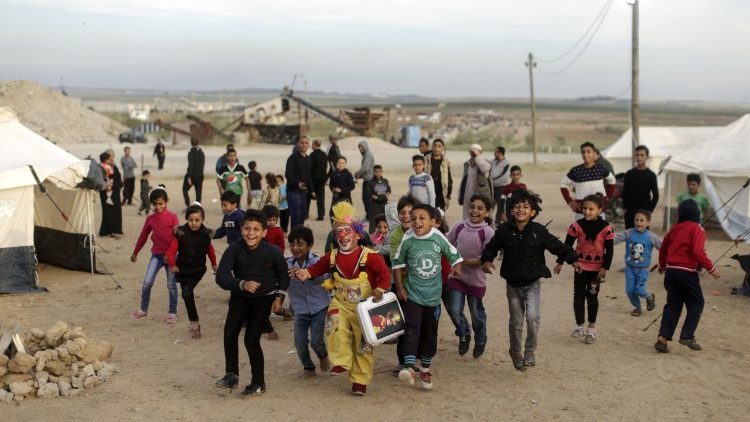
மனநிலையைச் சரிசெய்தால்...  விளையாடும் மகிழ்வில் சிறார்

நமக்கு உள்ளே என்ன இருக்கின்றதோ, அதுவே முக்கியமானதாகும். நமக்கு உள்ளே இருந்து, நாம் உயர்வதற்கு காரணமாக இருப்பதே நம் மனப்பாங்குதான், நம் மனநிலைதான்.
 

ஒரு சந்தையில் பலூன்களை விற்று பிழைப்பு நடத்திக்கொண்டிருந்தார் ஒரு வியாபாரி. சிவப்பு, மஞ்சள், நீலம், பச்சை போன்ற பல வண்ணப் பலூன்கள் அவரிடம் இருந்தன. வியாபாரம் மந்தமாகும் நேரங்களில் எல்லாம், ஹீலியம் நிரப்பிய பலூன் ஒன்றை மேலே பறக்கவிடுவார். அது மேலே எழும்பிச் செல்வதைப் பார்க்கும் சிறார் அனைவரும் அதன்மேல் ஆசை வைத்து, உடனே அவரிடம் ஓடிவந்து பலூன்களை வாங்குவார்கள். அதனால் அவரது விற்பனை மீண்டும் உயரும். நாள் முழுவதும் அவர் இது மாதிரியே செய்து வருவார். இதைக் கவனித்துக்கொண்டிருந்தான் ஒரு சிறுவன். அன்று திடீரென பின்னால் இருந்து, யாரோ ஒருவர் தனது சட்டையைப் பிடித்து இழுப்பதுபோல் உணர்ந்தார் அந்த பலூன் வியாபாரி. திரும்பிப் பார்த்தால் அந்தச் சிறுவன். ஐயா, நீங்கள் ஒரு கறுப்பு பலூனை மேலே விட்டால், அதுகூட பறக்குமா எனக் கேட்டான் சிறுவன். அந்தக் கேள்வியில் உள்ள அர்த்தத்தை உணர்ந்து நெகிழ்ந்த அந்த வியாபாரி, மகனே, இந்த பலூன் மேலெழும்பிச் செல்வதற்கு, அதன் நிறம் காரணம் அல்ல, மாறாக, அதற்கு உள்ளே என்ன இருக்கிறதோ, அதுவே காரணம் என்று பரிவன்புடன் பதில் சொன்னார்.
இந்தக் கதையை நீங்கள் முன்பே கேட்டிருக்கலாம். ஆயினும் இந்தக் கதை சொல்லும் கருத்து நம் வாழ்வுக்கும் பொருந்தும். நமக்கு உள்ளே என்ன இருக்கின்றதோ, அதுவே முக்கியமானதாகும். நமக்கு உள்ளே இருந்து, நாம் உயர்வதற்கு காரணமாக இருப்பதே நம் மனப்பாங்குதான், நம் மனநிலைதான். சில தனிமனிதர்கள், சில தொழில் அமைப்புகள், சில நிறுவனங்கள், அல்லது சில நாடுகள், ஏனையோரைவிட வெற்றிகரமாகச் செயல்பட முடிகின்றதே, அது ஏன் எனச் சிந்தித்துப் பாருங்களேன்.

ஹைதராபாத் பாபுராவ்
தெலுங்கானா மாநிலம், ஹைதராபாத் ‛லாட்டி கா பவுல் பஜார்’ (Laadtea ka paul bazar) வழியாக பயணம் செய்யும்போது நிலோபர் கபே என்று பெயரிடப்பட்ட ஒரு டீ கடை உள்ளது. அந்த கடைக்குள் முதன்முதலில் சென்ற தினமலர் நிருபர் எல்.முருகராஜ் அவர்கள், தனது வியப்புகலந்த அனுபவத்தை இவ்வாறு சொல்கிறார்
அந்த டீ கடை,  நகைக்கடை போல காட்சியளிக்கிறது. உறவும் நட்புமாக கூட்டம் கடைக்கு உள்ளும் புறமும் அலைமோதுவது வித்தியாசமான காட்சிதான். இந்த டீ கடையில் வெளிப்புறம் எவ்வளவு அழகாக அலங்கரிக்கப்பட்டு இருக்கிறதோ, அதைவிட அதிகமாக உள்ளே அலங்கரிக்கப்பட்டு இருக்கிறது. பிஸ்கட்களில் விதவிதமான பிஸ்கட்டுகள். பல பல இனிப்பு வகைகள், கேக்குகள். வழக்கமான டீயுடன், பெப்பர் டீ, லெமன் டீ, ஜிஞ்சர் டீ என்று, பலவிதமான டீ அங்கே விற்கப்பட்டு இருந்தது. டீ மிகவும் வித்தியாசமாகவும் அதிகச் சுவையுடனும் இருந்தது. பதினைந்து ரூபாயில் இருந்து டீயின் விலை ஆரம்பிக்கிறது. இங்குள்ள பிஸ்கட்டை சுவைத்துக்கொண்டே டீ சாப்பிடுவது இன்னும் சுகம். டீ சாப்பிடும் வாடிக்கையாளர்களை குலுக்கல் முறையில் தேர்ந்தெடுத்து, துபாய்க்கு அழைத்துச் செல்கின்றனர். இந்த டீ கடையின் மற்றோர் அம்சம், பார்சல் வாங்குபவர்களுக்கு, ஒரு முறை பயன்படக்கூடிய பேப்பர் பிளாஸ்க்கில் டீ தருகின்றனர். எவ்வளவு நேரம் கழித்து குடித்தாலும் சூடு ஆறுவதில்லை. டீ கடையின் அதிபர் பாபுராவ் அவர்கள், சுறுசுறுப்பாக வாடிக்கையாளர்களைக் கவனித்துக் கொண்டிருந்தார்.
இதில் வியப்பு என்னவென்றால், இந்தக் கடையின் உரிமையாளரான பாபுராவ் அவர்கள், இதே டீ கடையில் நாற்பது ஆண்டுகளுக்கு முன்னர், கூட்டிப் பெருக்கும் வேலை செய்து கொண்டிருந்தாராம். இவர், தெலுங்கானா மாநிலம் அடிலாபாத் கிராமத்தில் உள்ள விவசாய கூலித் தொழிலாளரின் மகன். படிப்பதற்கு புத்தகம் வாங்க இயலாத நிலையில் பள்ளிப்படிப்பை பாதியிலேயே விட்டுவிட்டு வேலைதேடி ஹைதராபாத் வந்தார் பாபுராவ்.
அவருக்கு இந்த டீ கடையில் கிடைத்த அந்த வேலையை ஆனந்தமாகச் செய்தார். இரவில் இரயில் நிலைய நடைமேடைகளில் துாங்கிக்கொள்வார். சில வருடங்களில் டீ மாஸ்டராக பதவி உயர்வு பெற்றார் அவர். ஒரு நெருக்கடி காரணமாக இந்தக் கடையை நடத்த முடியாத முதலாளி, கடையை பாபுராவ் அவர்களிடம் விற்றுவிட்டார். பாபுராவ் அவர்கள் கடைக்கு பொறுப்பு ஏற்றபிறகு, வெறும் டீ மட்டும் கொடுக்காமல், வாடிக்கையாளர்களுக்கு பிஸ்கட்டும் தயாரித்துக் கொடுத்தார். கடைக்கு வாடிக்கையாளர்களும் அதிகரித்தனர், வருமானமும் அதிகரித்தது. நாற்பது ஆண்டுகள் கடினமாக உழைத்தார். தனக்கு என்னவெல்லாம் பிடிக்குமோ அவற்றை எல்லாம் வாடிக்கையாளர்களுக்குக் கொடுத்தார். வியாபாரத்தில் வெற்றிபெற்றார். இன்று ஹைதராபாத்தின் செல்வந்தர்களில் ஒருவராக விளங்குகிறார் பாபுராவ். கடந்த ஆண்டு நட்சத்திர ஒட்டல் வடிவமைப்பில், மற்றொரு டீ கடையைத் திறந்தார். அதுதான் நிலோபர் கபே. பாபுராவ் அவர்களின் இன்னொரு பக்கம் கருணை நிறைந்தது. இவர் ஒரு காலத்தில், பசியின் கொடுமையை உணர்ந்ததாலோ என்னவோ தனது கடை அமைந்திருக்கும் தெருவில் இருக்கும் அரசு மருத்துவமனைக்கு வரும் ஏழை நோயாளிகள் மற்றும் அவரது உறவினர்களுக்கு, காலை மற்றும் மதிய உணவை, கடந்த பத்து ஆண்டுகளாக, இலவசமாக வழங்கி வருகிறார். மேலும் குணமான நோயாளிகள் ஊர் திரும்புவதற்குத் தேவையான பணத்தையும், இறந்தவர்களின் உடலை சொந்த ஊருக்கு கொண்டு செல்வதற்கான உதவியையும் இவரே செய்து வருகிறார். ஆதரவற்றவர்களை ஆதரித்து டீ கடையில் வேலை தருகிறார். சிறிது நாளானதும் பணம் கொடுத்து அவர்களுக்கு இவரே ஒரு டீ கடை வைத்துக்கொடுத்து பிழைக்க வழிகாட்டுகிறார். பாபுராவ் அவர்கள், வறிய நிலையில் இருந்து, உழைப்பால் உயர்ந்து, இப்போது குணத்தாலும் உயர்ந்து நிற்கிறார். (நன்றி: தினமலர்)


ரம்யா ஜெ.கிறிஸ்டினா
மனிதர் தனது மனநிலைகளை மாற்றிக்கொள்வதன் வழியாகவே, தனது வாழ்வை மாற்றிக் கொள்ளலாம் என்பதே, எனது தலைமுறையின் மிகப்பெரிய கண்டுபிடிப்பாகும் என்று, ஹார்வர்டு பல்கலைக்கழகத்தைச் சார்ந்த வில்லியம் ஜேம்ஸ் அவர்கள் சொன்னார். ஆம். ஒவ்வொரு மனிதரின் உயர்வுக்கு அவரின் மனநிலை முக்கிய காரணமாக அமைகின்றது. மனிதரின் உயர்வுக்கு அடுத்த காரணமாக அமைவது, தன்னம்பிக்கை. இதற்கு ஓர் எடுத்துக்காட்டாய் விளங்குகிறார், சென்னை அயனாவரத்தைச் சேர்ந்த ரம்யா ஜெ.கிறிஸ்டினா அவர்கள். இவர் உடலெங்கும் வெண்புள்ளி என்ற குறையைக் கொண்டுள்ளவர். ஆனால், மாடலிங், உதவி இயக்குனர், விளம்பரங்களில் எழுத்தாளர், விழிப்புணர்வுப் பேச்சாளர் என, இவரைப் பற்றி நிறையச் சொல்லலாம். இந்த இடத்தை எட்டுவதற்கு, 22 வயது வரை இவர் சந்தித்த அவமானங்கள், கேலிப் பேச்சுகள், மனஉளைச்சல், மனசாட்சியற்ற சாடல்கள் போன்றவை எழுத்துக்குள் அடங்கா.
பலரும் தூக்கிக் கொஞ்சும் அளவுக்கு, ஐந்து வயதுவரை அழகாக இருந்த ரம்யா கிறிஸ்டினா அவர்கள், தனது ஐந்தாவது வயதில் அசைவம் சாப்பிட்டபோது உடலில் கொப்புளம் வந்தது. அதற்காக மருத்துவர் கொடுத்த மருந்து ஒவ்வாமையாகிவிட்டது. அதைத் தொடர்ந்து முடி கொட்டியது. உடலில் ஆங்காங்கே திட்டுத் திட்டாகக் கருமை நிறம் படிந்தது. உடல் முழுவதும் மெலனின் குறைபாட்டால் தோல் நிறம் மாறிவிட்டது. தலைமுடியும் உதிர்ந்துவிட்டது. யாரும் அவர் பக்கத்தில் உட்கார மாட்டர்கள்; பேச மாட்டார்கள். பள்ளியில் தோழிகளும் கிடையாது. தன்னிடம் தண்ணீர் வாங்கி குடித்தால் பாவம் என்றார், பள்ளி ஆசிரியர் ஒருவர். ஒன்பதாம் வகுப்பு படித்தபோது கட்டுரைப் போட்டியில் முதல் பரிசு பெற்றார் ரம்யா. பரிசு வாங்குவதற்காகச் சென்றபோது உனக்கெல்லாம் பரிசுதர முடியாது என ஒலிபெருக்கியில் சொல்லி மூவாயிரம் மாணவர்கள் முன் அவமானப்படுத்தியுள்ளனர். ரம்யா அவர்கள் மேலும் சொல்கிறார்...
சிலநேரம் மன அழுத்தம் தாங்க முடியாமல் மெழுகுவர்த்தியில் கைகளைச் சுட்டுக்கொண்டு, என்னை நானே துன்புறுத்திக்கொள்வேன். இதற்கு நடுவில் தோல் சிகிச்சைக்காக நிறைய மருந்து எடுத்துக்கொண்டிருந்தேன். பெரியப்பா பெண்ணை மாப்பிள்ளை வீட்டார் பார்க்க வரும்போது, என்னை முன்னே வரவேண்டாம் என அவர்கள் வீட்டில் சொன்னது, எனது அம்மாவைப் பாதித்தது. அதிலிருந்து என்னைத் தனிமைப்படுத்திக்கொண்ட நான் மீண்டுவந்தது ஒரு நட்பால்தான். கல்லூரி வாழ்க்கை, பள்ளி வாழ்க்கைபோல் இல்லை. நண்பர்கள் கிடைத்தனர். புகைப்படக் கலைஞர் மாதுரி தேவி அவர்கள், என்னை அழகான சிறுத்தை என அழைத்தார். மாசற்ற தனித்துவமான அழகி எனச் சொல்லி பலவிதங்களில் புகைப்படம் எடுத்தார். அப்போதுதான் மாடலிங் செய்யலாம் எனத் தோன்றியது. நம்மிடம் எது அழகு என்று பார்க்கக் கற்றுக்கொண்டால்போதும் என அப்போது புரிந்தது. பல விளம்பர நிறுவனங்கள் மாடலிங் செய்ய என்னை அணுகினர். அதன்பின்னர் சில இயக்குநர்களிடம், சில படங்களில் உதவி இயக்குநராகப் பணியாற்றினேன். இப்போது விளம்பரங்களுக்குக் கருத்துருவாக்கம் செய்கிறேன். “என்னைப் போன்ற நிறமி குறைபாட்டால் பாதிக்கப்பட்டவர்களைச் சந்திக்கும்போது அவர்களுக்கு என் கதையைச் சொல்லி தன்னம்பிக்கை வளர்க்கிறேன். பல நிறுவனங்களில் பேச அழைக்கிறார்கள். என்னைப் பார்த்து ஒதுங்குபவர்களையும் பரிதாபப்படுபவர்களையும் பார்த்தால் நான் புன்னகைப்பேன். ஆறுதல் சொல்பவர்களிடம், “என்னைப் போன்றவர்களை நீங்கள் சந்திக்க நேரிட்டால் அவர்களை உதாசீனம் செய்யாதீர்கள்; அவரிடம் என் கதையைச் சொல்லி என்னைப்போல் மாறச் சொல்லுங்கள்” என்று கூறி அமைதியாகக் கடந்து விடுகிறேன். (நன்றி: விகடன்)
எனவே நம் மனநிலையைச் சரிப்படுத்திக் கொண்டால், எந்நிலையையும் சமாளித்து வாழ்வில் முன்னேறலாம். நமது சிந்தனை நமது மனநிலையை மாற்றுகின்றது. இந்த மனநிலையானது நேர்மறை அல்லது எதிர்மறை மனநிலையாக உருவாகிறது. நேர்மறை மனநிலை, உற்சாகமான வாழ்வையும், சாதனை செய்யும் மனதையும் உருவாக்கும். ஆகவே, நமது மனநிலையை நேர்மறையாக வைத்துக்கொள்ள முயற்சிகள் எடுப்போம். நமது குடும்பச்சூழல், கல்வி, வாழும் பகுதி, நம்மைச் சுற்றியுள்ள சமுதாயம் போன்றவையும் நம் மனநிலையை நிர்ணயிக்கும் காரணிகள். எனவே வாழ்க்கையோடு நாம் ஒன்றிப்போனால் நம் முயற்சிகள் வெற்றிபெறும்.    

Cardinal Koovakad: Nonviolence is courageous commitment to justice

  Cardinal Koovakad: Nonviolence is courageous commitment to justice Speaking at an Ahimsa Day celebration at the British Parliament, Cardin...